
The Power of India’s Ethical Traditions

By Dr. Simant Kumar Nanda, Bhubaneswar
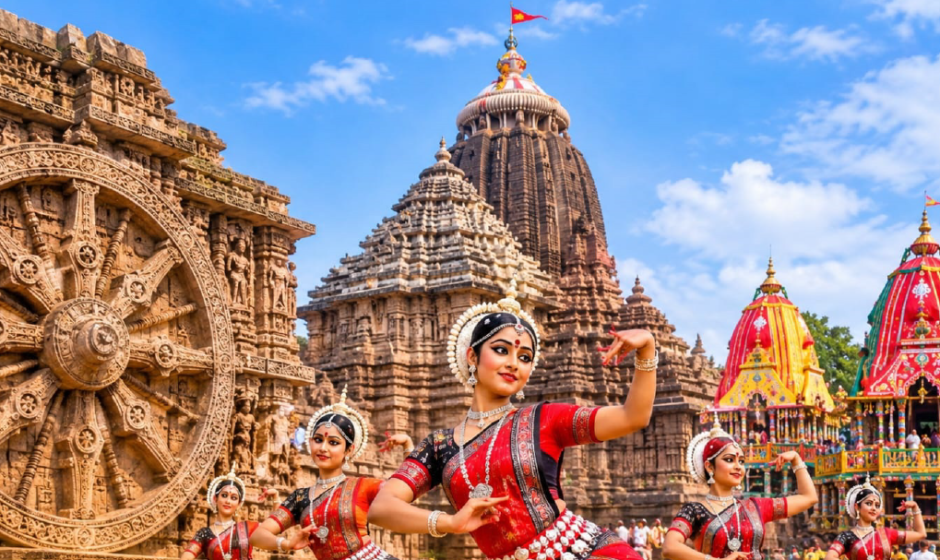
As India celebrates its festive season, streets and homes come alive with rituals, music and devotion. In Odisha, Durga Puja and the traditions associated with Lord Jagannath reflect our rich cultural heritage. However, beyond celebration, an important question arises: can our traditions inspire meaningful social reformation?Festivals are not merely religious occasions. They remind us of compassion, truthfulness, equality, mutual respectand social responsibility. The victory of good over evil becomes truly meaningful when we overcome prejudice, injustice and intolerance in our everyday lives. Social reformation begins with changes in human attitudes and behaviour. Economic growth and technological advancement alone cannot create a just society if discrimination and gender inequality persist. Our cultural heritag can guide this transformation when its humane values become part of daily life.India’s ancient ideals, such as Vasudhaiva Kutumbakam (the world is one family) and Sarve Bhavantu Sukhinah(may all be happy), encourage universal brotherhood. Buddhist compassion, Jain nonviolence and the Bhakti andSufi traditions also emphasise love, humility and equality.Odisha provides a remarkable example of the relationship between faith and social harmony. Lord Jagannathrepresents collective faith, while the Rath Yatra brings people together across social and economic boundaries.Mahaprasad symbolises sharing and community participation. These traditions achieve their deeper purpose whenthey inspire inclusion, compassion and respect beyond religious occasions.
Odisha’s literary and folk traditions have also shaped social consciousness. The Panchasakha, along with culturalforms such as Pala, Daskathia and Sankirtana, communicated ethical and spiritual teachings to ordinary people.Even today, these traditions can promote honesty, unity and environmental awareness.Indian social reformers demonstrated that respecting heritage does not mean accepting every inherited customunquestioningly. Raja Ram Mohan Roy challenged sati and advocated education. Jyotirao Phule and SavitribaiPhule worked for the education of disadvantaged communities and girls, while Dr B. R. Ambedkar championedvulnerable people.equality, constitutional morality and human dignity.Odisha’s own reformers offer enduring lessons. Bhima Bhoi expressed profound compassion for humanity throughhis famous prayer: “Mo jeevana pachhe narke padithau, jagata uddhara heu”, expressing the wish that the world beredeemed even at the cost of his own suffering. Madhusudan Das and Gopabandhu Das likewise demonstratedhow cultural consciousness, education and public service could contribute to social progress.Education remains central to reformation. Schools and colleges must preserve cultural awareness whileencouraging scientific thinking, independent judgement and respect for diversity. Families also have a vital role inteaching equality, kindness and responsibility. Traditions should strengthen relationships, never justifydiscrimination, domestic violence or the unequal treatment of women.
Women’s dignity and equal opportunities are essential measures of progress. Every woman deserves access toeducation, employment, safety and participation in decision-making. Cultural pride has little meaning if it coexistswith injustice or exclusion.Our cultural responsibility also extends to the environment. Respect for rivers, trees, forests and animals musttranslate into practical action, including water conservation, pollution control and sustainable resource use.Similarly, cultural organisations and community leaders can promote literacy, healthcare awareness and support for vulnerable people.
The younger generation has a special responsibility to carry this heritage forward. Digital media and emergingtechnologies offer opportunities to preserve cultural knowledge, but young people must also challengemisinformation and promote responsible communication. Tradition and modernity can work together when both areguided by human dignity and fairness.Ultimately, cultural heritage is not merely a collection of rituals. It is a living connection between the wisdom of thepast and the needs of the present. We must preserve traditions that promote compassion and equality whilereforming practices that perpetuate injustice.As we celebrate the festive season, let the spirit of Lord Jagannath inspire inclusion, Bhima Bhoi’s compassionencourage service, and the courage of our social reformers strengthen our commitment to justice. A society trulyhonours its heritage not by preserving every practice unchanged, but by carrying its finest values into amore compassionate and enlightened future.
Contact: M-9937500810
Email: drsimantkumarnanda@gmail.com